
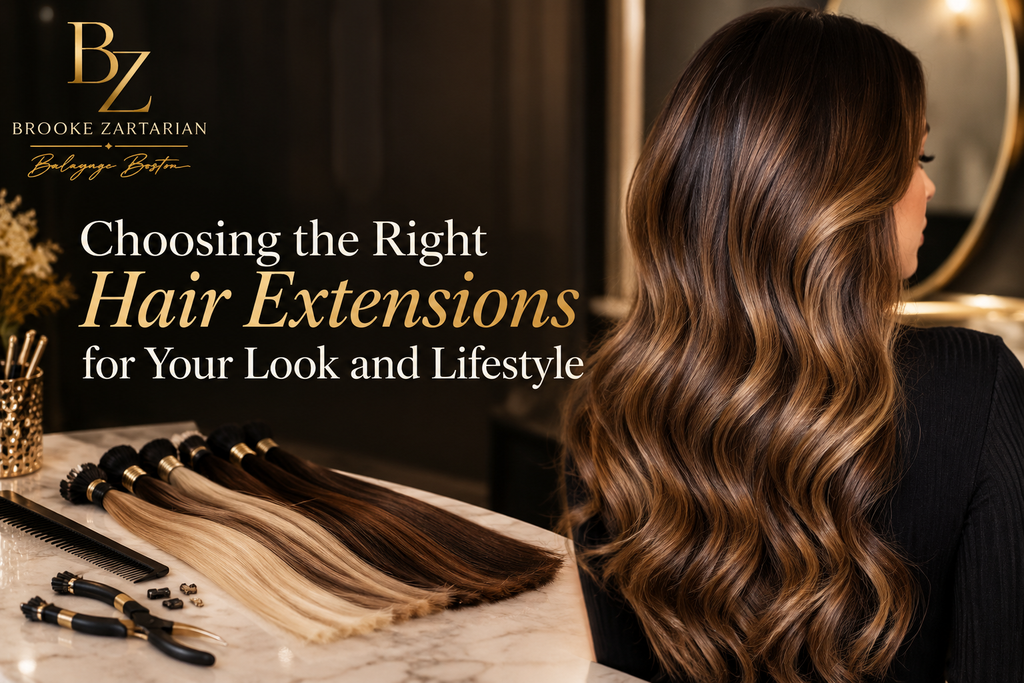
Hair extensions can completely change the way your hair looks and feels. Maybe you want extra length before a special event. Maybe your hair feels a little flat, and you want more body. Or perhaps you love your current haircut but wish you had more fullness around the ends. Whatever your goal, the right extensions can help you create a polished look without changing your natural hair dramatically.
The tricky part is choosing the right type. Hair extensions come in different methods, lengths, weights, textures, colors, and maintenance routines. What works beautifully for one person may not work well for another. Your natural hair, daily routine, styling habits, budget, and desired result all matter.
That is why choosing extensions should be more personal than simply searching for the “best” option online. A good choice should fit your lifestyle as well as your look. Professional guidance can also help you avoid choosing extensions that are too heavy, difficult to maintain, or poorly matched to your natural hair.
Start With Your Hair Goals
Before choosing extensions, think about what you actually want to change. Do you want longer hair, thicker ends, more overall volume, or a subtle transformation? Being specific makes the selection process much easier.
For example, someone with shoulder-length hair may want extensions mainly for length, while someone with fine hair may care more about fullness. Another person may want only a little extra density around the sides. You do not always need a dramatic transformation to benefit from extensions.
A simple goal checklist can help:
- Add length
- Create fuller-looking ends
- Increase overall volume
- Improve styling options
- Add dimension to an existing color
- Create a fuller look for an event
Once you know your goal, you can narrow down the extension method, amount of hair, and length that make sense for you.
Understand the Main Hair Extension Types
Clip-ins are a popular choice for people who want flexibility. You can put them in for a special occasion and remove them afterward. Because they are not designed to stay attached continuously, they can work well for someone who does not want a long-term commitment.
Tape-ins offer a different experience. They sit close to the head and can create a smooth, discreet result when properly selected and installed. Professional sources commonly describe tape-ins as a lightweight option that can work particularly well for medium-to-fine hair.
Other options include sew-ins, fusion extensions, and micro-link extensions. Each method has different installation requirements, maintenance needs, and suitability for various hair types. That is why a consultation matters before choosing a method based only on photographs or online recommendations.
Choose Extensions Based on Your Hair Type
Your natural hair should always be part of the conversation. Fine or thin hair may not comfortably support a heavy amount of added hair. In these cases, lighter options can help create fullness without placing unnecessary stress on the natural strands.
If you have thick or dense hair, you may have more flexibility with the amount and type of extensions you can wear. However, thicker hair still needs proper weight distribution and professional installation. More hair does not automatically mean better results.
When searching for the best hair extensions for thin hair, focus on lightweight designs, proper placement, and the amount of hair your natural strands can comfortably support. The goal should be fuller-looking hair while protecting the condition of your natural hair.
For anyone searching for the best hair extensions for volume, remember that volume does not always require extreme length. A professional can place extensions strategically to create fullness where you need it most.
Find the Right Match for Short Hair
Short hair can absolutely work with extensions, but the process requires careful planning. If your natural hair is very short, the extensions need to blend naturally with the existing shape. A poor match can create visible lines between your natural hair and the added hair.
The best hair extensions for short hair depend on your current length, density, texture, and desired result. Your stylist may also recommend a particular length instead of automatically choosing the longest available option.
Blending plays a major role here. Proper layering and shaping can help the natural hair transition into the extensions more smoothly. Professional extension education also emphasizes customized cutting, color matching, and texturizing as important parts of creating a seamless result.
Human Hair vs. Synthetic Hair: What Should You Choose?
If you want maximum styling flexibility and a natural appearance, human hair extensions are often worth considering. Quality human hair can generally be styled more like natural hair and can offer a more realistic movement and finish.
When people search for the best human hair extensions, they should look beyond softness and shine. Hair quality, processing, construction, and maintenance all influence how extensions perform over time. Great Lengths notes that extension quality involves factors beyond initial appearance, including hair structure, sourcing, processing, and craftsmanship.
Synthetic hair can still have a place, especially for temporary looks or specific styling needs. However, it may have more limitations when it comes to heat styling and achieving natural movement.
Before purchasing, consider how often you style your hair. If you regularly curl, straighten, or blow-dry your hair, ask whether the extensions you are considering are designed for that type of styling.
Match Your Extensions to Your Lifestyle
Your daily routine may be the biggest factor in choosing extensions. If you are always rushing in the morning, a high-maintenance extension method may become frustrating. On the other hand, if you enjoy spending time styling your hair, you may be comfortable with a more involved routine.
Think about your typical week. Do you work out often? Swim? Travel frequently? Wear your hair up? Use hot tools every day? Wash your hair frequently? These details can influence which extension method makes practical sense.
Consider these lifestyle questions:
- How much time can you spend on hair care?
- How often do you want salon maintenance?
- Do you regularly exercise or swim?
- Do you travel often?
- Do you style your hair with heat?
- Are you comfortable following a specific care routine?
For example, best clip-in hair extensions may appeal to someone who wants temporary styling flexibility. Meanwhile, best tape-in hair extensions may appeal to someone who prefers a more consistent, professionally maintained look. Neither is automatically right for everyone.
Think About Maintenance and Long-Term Cost
The purchase price is only one part of the cost of extensions. You should also consider installation, maintenance appointments, replacement hair, products, and the time required to care for them at home.
A cheaper option may not feel economical if it requires more frequent replacement or does not blend well with your natural hair. Likewise, a premium extension method may not suit someone who wants a very low-maintenance routine.
Professional extension services often require scheduled maintenance because the natural hair continues to grow. Tape-ins, for example, need periodic adjustment or reapplication, while other methods have different maintenance schedules.
When considering the best professional hair extensions, ask about the complete investment rather than only the initial service price. A good consultation should explain the expected maintenance, care routine, installation process, and realistic lifespan of the extensions.
Color and Texture Matching Make a Huge Difference
Even high-quality extensions can look unnatural if the color or texture does not match your hair. A good match should consider more than your basic hair color.
Your hair may contain multiple tones, such as darker roots, lighter ends, highlights, lowlights, or warm and cool undertones. Professional guidance can help account for these details. Color-matching experts also recommend checking hair under different lighting because a shade can appear different indoors compared with natural light.
Texture matters just as much. Straight extensions may not blend naturally with strongly curly hair unless the hair is regularly styled. Likewise, wavy natural hair may need extensions with a similar movement.
If your color includes balayage or dimensional highlights, customized extension coloring may help create a more natural transition. For inspiration on dimensional color and personalized hair planning, you can explore Zartarian Salon and its guide to Balayage Color Ideas That Boston Men Will Love.
Why Professional Installation Can Be Worth It
Extensions are not simply about attaching extra hair. Placement, weight distribution, sectioning, color matching, blending, and maintenance all influence the final result.
A professional can look at your natural hair and determine whether extensions are appropriate for your current condition. They can also help you choose a method that supports your goals without adding unnecessary weight.
The best permanent hair extensions are not necessarily the ones that stay attached the longest. A better way to think about permanent or long-term extensions is whether the method works comfortably with your natural hair, lifestyle, maintenance schedule, and desired appearance.
Zartarian Salon takes a consultation-first approach to extension and density services, considering factors such as hair condition, goals, lifestyle, and maintenance preferences. Its website describes extension services as being designed to add length, fullness, or targeted density while protecting the natural hair.
Make Your Hair Extensions Feel Like Your Own
The best result is usually the one that does not immediately look like you are wearing extensions. Good extensions should move naturally, blend into your haircut, and feel comfortable during everyday activities.
That means you should not focus only on length. Consider how the extensions will look when your hair is straight, wavy, curled, tied back, or worn naturally. Ask your stylist how the extensions will work with your regular hairstyles.
You should also receive clear aftercare instructions. Gentle brushing, proper detangling, suitable products, and careful handling can all help maintain the appearance of your extensions. Your stylist can explain which habits to change and which products to use based on your specific extension method.
Final Thoughts: Choose What Fits Your Real Life
Choosing the right hair extensions is less about finding one universal “best” option and more about finding the right match for you. Your hair type, desired length, preferred volume, lifestyle, budget, styling habits, and maintenance expectations should all influence the decision.
Whether you are considering clip-ins for occasional styling, tape-ins for a seamless everyday look, or a professional long-term method, start with a consultation. A personalized plan can help you avoid unnecessary weight, poor color matches, unrealistic expectations, and difficult maintenance.
If you are ready to explore extensions, focus on healthy-looking, wearable results rather than simply choosing the longest or fullest option available. With the right method, professional placement, and consistent care, extensions can become a natural part of your style.
FAQs About Choosing Hair Extensions
What are the best hair extensions for thin hair?
Lightweight extensions may work well for thin hair, but the right choice depends on your hair density and condition. A professional consultation is recommended.
Are human hair extensions better than synthetic extensions?
Human hair usually offers more natural movement and greater styling flexibility. However, the best choice depends on your needs and budget.
What are the best clip-in hair extensions for beginners?
Look for lightweight clip-ins that match your natural color and texture. A professional can also show you how to place and remove them safely.
Can I get extensions if I have short hair?
Yes. The suitable method depends on your current length, density, and desired result. Proper blending is especially important with shorter hair.
How do I choose extensions for more volume?
Ask for extensions designed around your natural density rather than simply adding maximum hair. Strategic placement can create fuller-looking results.